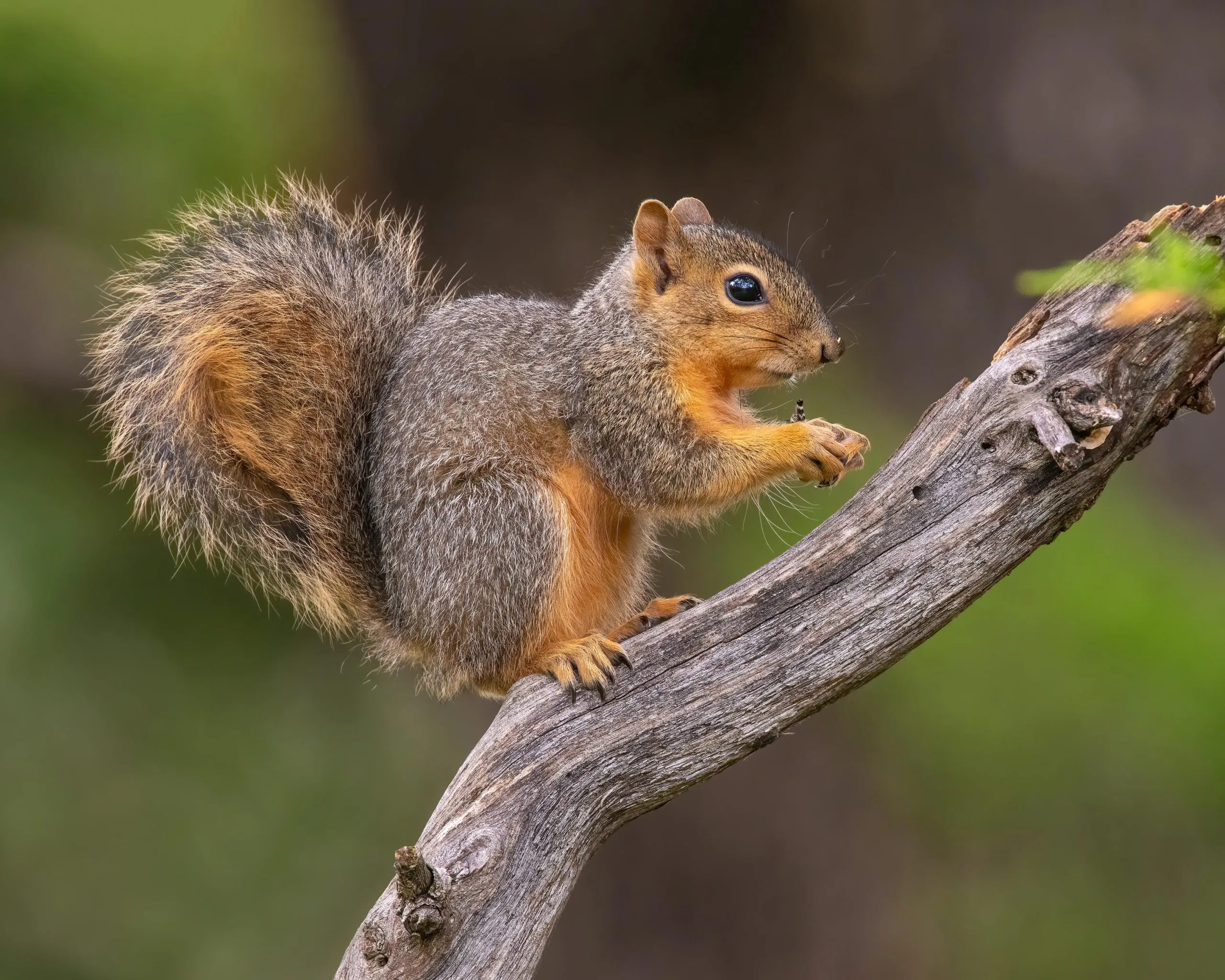
Why Squirrel Removal is Critical for Your Home
In Knox County, squirrels go looking for warm winter quarters in fall, and September is when calls spike around Mount Vernon and Centerburg. They squeeze through soffit gaps and roofline vents, then gnaw nesting holes that let in water and more squirrels. A single litter chewing on attic wiring is a real fire risk, so the sooner you catch the scratching overhead, the smaller and cheaper the problem stays.
Caudill starts with a roofline and attic inspection to find every entry hole and active nest. From there we set humane squirrel trapping to clear the animals already inside, then handle removal of nesting debris. The last step is exclusion — sealing soffits, vents, and gnawed gaps with materials squirrels can't chew back through — so this squirrel removal service fixes the way in, not just today's intruder.
Signs You Need This Service
- Scratching, running, or thumping sounds in the attic or walls, especially early morning or near sunset. Squirrels are active during the day, so daytime noise is a big clue.
- Chewed wires, wood, or insulation in the attic. This damage can create fire hazards and drive up energy costs.
- Visible entry points near the roofline, like gaps at soffits, vents, chimneys, or fascia boards. You may also notice torn or displaced materials around the opening.
- Droppings, nesting material, or strong odors in upper areas of the home. Attics and wall voids are common nesting spots.
- Squirrels seen repeatedly on the roof, entering the same spot, or darting in and out of a hole. Consistent activity usually means they are nesting inside.
- Pets fixating on ceilings or attic access points. Barking, whining, or pacing near a specific area can indicate animal activity above.
Our Process
Caudill Pest Control follows a comprehensive process for squirrel removal to ensure your property is safe and secure. The first step is a thorough inspection to identify entry points and assess the extent of the infestation. This allows our experts to develop a targeted removal strategy. The removal phase involves humane trapping and relocation of the squirrels, ensuring they are safely removed from your property. After removal, we focus on cleanup, which includes sanitizing affected areas to eliminate odors and potential health hazards. Finally, exclusion is crucial to prevent future infestations. We seal entry points and reinforce vulnerable areas, providing a long-term solution to keep squirrels out. This meticulous process ensures your home remains pest-free and protected.
Inspection and Entry Point Identification
We inspect the attic and exterior roofline to confirm squirrel activity, locate nesting areas, and identify how squirrels are getting inside.
Humane Trapping and Removal
We use humane trapping methods to safely remove squirrels from the structure and reduce the chance of ongoing damage.
Cleanup and Sanitizing
After removal, we address droppings, nesting debris, and contaminated areas to reduce odors and health risks.
Exclusion and Repair
We seal entry points and reinforce vulnerable areas like vents, soffits, and roof gaps to prevent squirrels from returning.
Prevention Recommendations
We provide practical tips to reduce future activity, including trimming tree limbs near the roof and minimizing attractants around the home.