Why Raccoon Removal is Critical for Your Home
Raccoons turn up in Knox County attics and chimneys faster than most people expect, and spring is the reason. By May, females are looking for a quiet, dry den to raise a litter, and a warm attic or an old chimney in Fredericktown or Mount Vernon fits the bill. Once kits arrive, the damage to insulation, wiring, and roofs climbs and so does the cost, so an early call usually means a cleaner, faster job.
Caudill starts with a full inspection to find every entry point and confirm whether babies are present, since that changes how the removal is handled. We set up targeted raccoon trapping or hands-on removal, then clear out the den and seal the gaps with exclusion work so the next raccoon can't move in. If you've searched raccoon removal near me after hearing scratching overhead, we follow up to make sure the attic stays empty.
Signs You Need This Service
- Heavy thumping, walking, or scratching in the attic at night. Raccoons are nocturnal and often settle in attics or crawlspaces. The noise is usually louder than typical rodent activity.
- Visible damage near the roofline, soffits, vents, or chimney cap. Look for torn shingles, pulled siding, or bent vent covers. Raccoons can force openings to get inside.
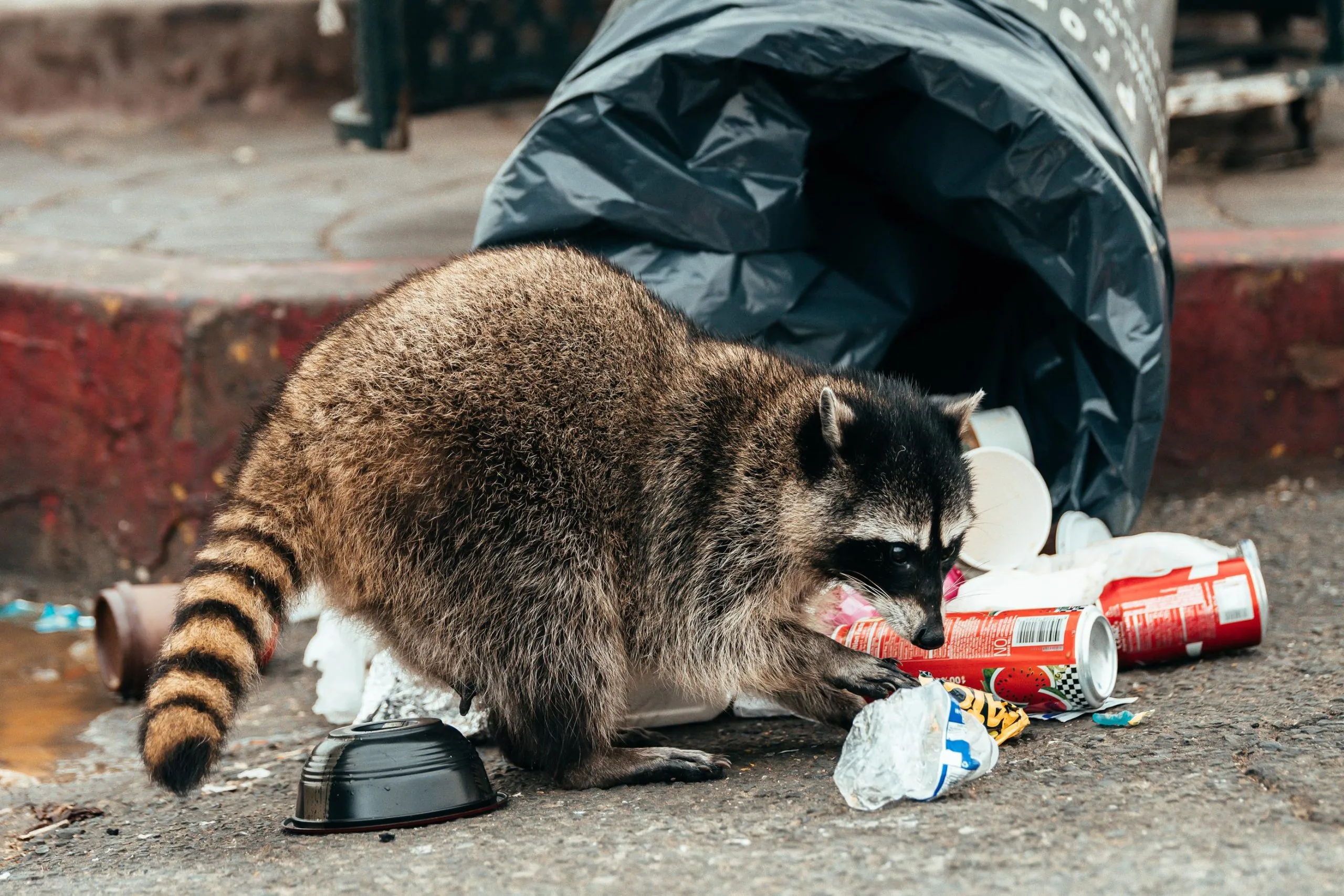
- Trash cans repeatedly tipped over or pet food disappearing. Raccoons are persistent scavengers and will return once they find a food source. You may also see muddy paw prints nearby.
- Droppings or strong odors in the attic, garage, or around entry points. Waste buildup can create serious sanitation concerns. Odors often worsen over time.
- Insulation torn up or nesting material in the attic. Raccoons rip and move insulation to create a den. This can lead to energy loss and costly repairs.
- Pets acting unusually alert near walls, ceilings, or attic access. Dogs and cats may fixate, bark, or paw at areas where raccoons are active. This often happens most at night.
Our Process
Caudill Pest Control follows a comprehensive process for raccoon removal to ensure safety and effectiveness. The first step is a thorough inspection to identify entry points and assess the extent of the infestation. This step is crucial for developing a targeted removal strategy. Once the inspection is complete, the removal phase begins, utilizing humane traps and techniques to safely capture and relocate the raccoons. After removal, cleanup is essential to eliminate any waste or damage caused by the raccoons, which can pose health risks. Finally, exclusion measures are implemented to prevent future infestations. This includes sealing entry points and installing barriers. The process ensures that your property remains raccoon-free, protecting both your home and health.
Inspection and Entry Point Identification
We inspect the home to confirm raccoon activity, locate den sites, and identify how they are getting inside.
Humane Trapping and Removal
We use safe, humane trapping and handling methods to remove raccoons from the property while following local wildlife rules.
Cleanup and Sanitizing
We remove waste and contaminated materials as needed, then sanitize affected areas to reduce health risks and odors.
Exclusion and Repairs
We seal entry points and install barriers where needed to prevent re-entry and protect vulnerable areas like vents, soffits, and roof gaps.
Prevention Recommendations
We share practical steps to reduce attractants, like securing trash, removing outdoor food sources, and limiting access to shelter areas.