Ant Control in Centerburg, OH
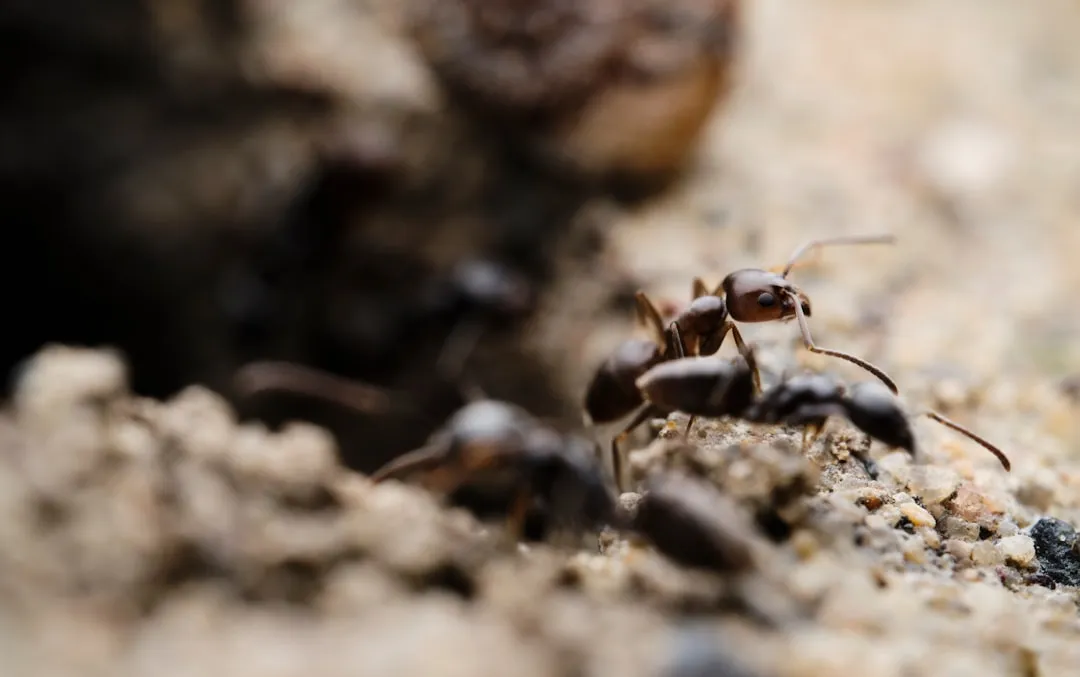
Ants are the call we field most as the weather warms. In Knox County their activity climbs in early summer and peaks through June, when colonies send scouts indoors hunting food and moisture — and carpenter ants start tunneling into damp wood around Centerburg and Fredericktown homes. Spotting a steady trail by your sink or window now means a nest is already established nearby, so timing the call early keeps a small problem from spreading through the walls.
Caudill starts with an inspection to trace the trails back to where ants are actually nesting, indoors or out, and to tell carpenter ants from the common house and pavement species. From there we treat the colony at the source rather than just spraying what you see, then seal the entry points and add a protective perimeter so foragers stop finding a way in. We follow up to confirm the nest is gone and the ant control holds through the season.
Signs You Need This Service
- Ant trails and repeat sightings: You may see steady “lines” of ants along baseboards, window sills, or countertops, especially near food and water. If trails reappear daily, there is usually an established colony nearby.
- Sawdust-like debris or rustling in wood: Carpenter ants can push out frass, a mix of wood shavings and insect parts, near trim, windows, or damp wood. They do not eat wood, but they can excavate it and are often linked to moisture issues.
- Small piles of soil or outdoor mound activity: Pavement ants and field ants may build nests under sidewalks, driveways, patio edges, and landscape stones. Activity often increases after rain or during warm spells.
Our Process
We start by confirming which ant you are dealing with and where they are nesting, indoors, outdoors, or both. Then we apply a targeted treatment plan designed to eliminate the colony and disrupt active trails, while also addressing the conditions that keep ants coming back, like moisture, food access, and easy entry points. Most ant issues improve quickly after treatment, but lasting results come from combining control with prevention steps.
Inspection and species identification
We locate active trails, nesting zones, and entry points, then identify the likely ant type so treatment matches the problem.
Colony focused treatment plan
We select the right strategy for the species and setting, focusing on eliminating the nest and reducing foraging activity.
Targeted application to trails and harborages
Treatments are applied where ants travel and nest, such as cracks, crevices, voids, exterior foundation lines, and moisture-prone areas.
Root cause recommendations
We point out the biggest drivers, like leaks, damp wood, gaps around doors and windows, mulch against the foundation, or food access.
Prevention and follow-up guidance
We provide simple steps to keep ants out long-term and recommend follow-up if conditions or species require it.